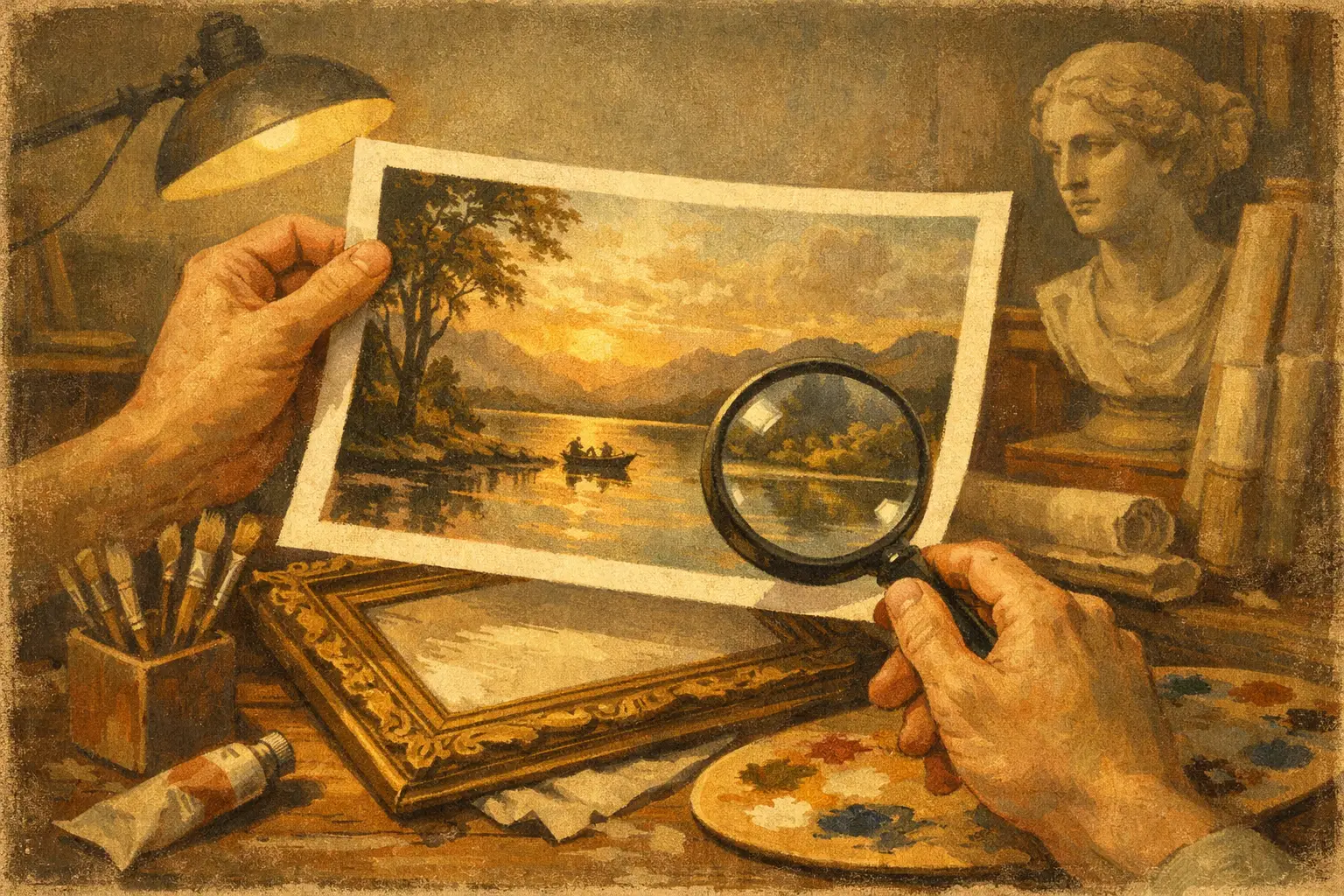
A giclee print can look exquisite on the wall and still vary widely in value. That is usually the first surprise for new buyers asking what makes a giclee print valuable. The answer is not one thing, but a quiet convergence of artistic intention, production quality, scarcity, and trust.
In the best cases, a giclee print is not a lesser substitute for an original. It is a carefully produced work in its own right – one that carries the artist’s image with fidelity, nuance, and longevity. But not every print deserves the same regard. Value lives in the details, and in art, details are rarely accidental.
What makes a giclee print valuable in the first place?
The word giclee refers to a high-resolution inkjet printing process, usually using archival pigment inks on fine art paper or canvas. On its own, that definition says very little about worth. It describes a method, not a guarantee.
A valuable giclee print typically combines several qualities at once: a compelling artwork, museum-grade materials, a controlled edition, and clear authorship. If even one of those elements is weak, the print may still be beautiful, but it may not hold the same collector interest.
That distinction matters for buyers who want more than decoration. A print can absolutely transform a room through color, composition, and atmosphere. Yet when people speak about value, they often mean something more layered: emotional resonance, design impact, and a credible place within an artist’s body of work.
The artist matters more than the process
Collectors do not invest in printing technology alone. They respond to vision. The strongest factor behind a print’s value is often the artist’s reputation, originality, and cultural relevance.
If the image comes from an artist with a distinct visual language, a committed following, or a meaningful exhibition history, the print begins with stronger footing. This does not mean only famous names matter. Emerging artists can produce highly valuable editions when their work feels singular, thoughtfully developed, and professionally presented.
A generic image printed beautifully is still generic. By contrast, a work with real authorship carries presence. It has a point of view. It feels chosen rather than manufactured.
This is especially true in interiors where art is expected to do more than match a sofa. Design-conscious buyers often want a piece that sets the emotional temperature of a room. In that setting, artistic depth becomes part of value because it gives the work staying power.
Edition size shapes scarcity
Scarcity is one of the clearest answers to what makes a giclee print valuable. A limited edition usually carries more value than an open edition because it establishes boundaries. If only 25, 50, or 100 prints exist, each one feels more intentional and more collectible.
That said, smaller is not always automatically better. A tiny edition from an unknown source does not create significance by itself. Scarcity only matters when paired with quality and demand. Still, edition size sends a signal. It tells the buyer whether the work was produced as a considered collector release or as an endlessly reproducible decorative image.
Signed and numbered editions tend to command more respect, especially when the numbering is clear and consistent. An artist signature, whether by hand or in some cases verified through approved studio practice, creates a stronger connection between the print and its maker.
Artist proofs can also carry interest, though their value depends on context. Some collectors appreciate them for their relative rarity. Others care more about the standard numbered edition. It depends on the artist, the market, and the seriousness of the release.
Materials are not a side note
A giclee print may be visually stunning at first glance, but if it is made with unstable inks or low-grade paper, its long-term value weakens. Materials matter because they affect both the immediate experience of the artwork and its endurance over time.
Archival pigment inks are central. They offer greater color stability and resistance to fading than cheaper dye-based alternatives. Fine art papers also make a difference. Cotton rag, textured matte papers, and museum-quality substrates tend to hold detail more gracefully and age more elegantly than mass-market stock.
The same image can feel entirely different depending on what it is printed on. A velvety matte paper can deepen stillness and subtle tonal shifts. A smoother surface may emphasize precision and line. For certain works, canvas introduces warmth and physicality. The right choice supports the spirit of the artwork rather than flattening it.
Serious buyers notice this, even when they cannot name every technical specification. They can see when blacks feel rich instead of muddy, when soft gradients remain intact, and when the surface has a tactile integrity that cheap prints lack.
Color accuracy and print fidelity
A valuable giclee print honors the original work. That sounds obvious, but accurate translation is one of the most difficult parts of printmaking.
If the source image was poorly captured or the file was badly prepared, no premium paper can rescue it. Fine details may disappear, colors may shift, and shadows may block up. What remains is a version of the artwork, not a faithful rendering.
High-value prints are usually made through careful color management and proofing. The printer, artist, or publisher pays attention to tonal balance, edge definition, saturation, and surface interaction. This is where technical discipline meets aesthetic judgment.
For collectors and designers alike, fidelity matters because the print must feel resolved. It should not merely resemble the original image on a screen. It should possess depth, balance, and clarity as an object in space.
Provenance builds confidence
In the print world, trust has real value. Buyers want to know who produced the work, whether the edition is authentic, and how the print relates to the artist.
This is where provenance enters. Certificates of authenticity, edition records, artist documentation, and reputable gallery representation all help establish legitimacy. They answer a practical question with emotional consequences: is this print what it claims to be?
Without that confidence, even a beautiful print can feel uncertain. With it, the work becomes easier to collect, gift, insure, or place within a larger design project. Provenance does not make weak art stronger, but it protects strong art from doubt.
For online buyers, this is especially important. They are often making decisions without seeing the piece in person. Clear edition information, production standards, and curatorial context reduce hesitation and support value.
Presentation influences perceived and lasting worth
Framing does not create artistic value, but it can either honor it or diminish it. A museum-quality print deserves presentation that protects the work and supports its character.
Acid-free mats, UV-protective glazing, and well-made frames preserve the print and elevate how it is experienced. Poor framing can introduce discoloration, warping, or a generic visual finish that undermines the artwork’s presence.
There is also a design dimension here. A print that is thoughtfully framed becomes more architecturally integrated into a room. It feels intentional. For collectors, that may be secondary to the work itself. For interior designers and homeowners, it is part of value because it affects how fully the piece can live in a space.
Market demand and emotional demand are not the same
Some buyers ask value as a financial question. Others mean, is this worth bringing into my home for years? These are related, but they are not identical.
Market value depends on artist recognition, edition scarcity, secondary demand, and credibility of production. Emotional value comes from the way a piece changes a room and stays meaningful over time. The most satisfying giclee prints often hold both.
A contemplative abstract work may never become a speculative collectible, yet it can still be deeply valuable if it has artistic integrity, archival quality, and lasting presence. In a calm interior, a print can become a daily point of return – something that steadies the eye and alters the atmosphere of a space.
That is not sentimental language. It is one reason thoughtful buyers continue to collect prints. They offer access to serious art in a format that is often more attainable, while still preserving refinement, authorship, and permanence.
So, what should a buyer look for?
If you are assessing what makes a giclee print valuable, look for a clear combination of factors rather than a single badge of quality. Ask who the artist is, whether the edition is limited, what materials were used, how faithfully the work was reproduced, and whether the documentation is credible.
Then look a little longer. Does the image feel distinct? Does it hold your attention after the first impression fades? Does the production support the mood of the work? A valuable print should satisfy both the eye and the standards behind it.
At Taygeta Gallery, that balance matters because art is never only about ownership. It is also about living with something carefully made, quietly enduring, and deeply felt.
The best giclee prints do not ask for attention through excess. They earn value through restraint, precision, and presence – and those qualities tend to last.
Leave a Reply