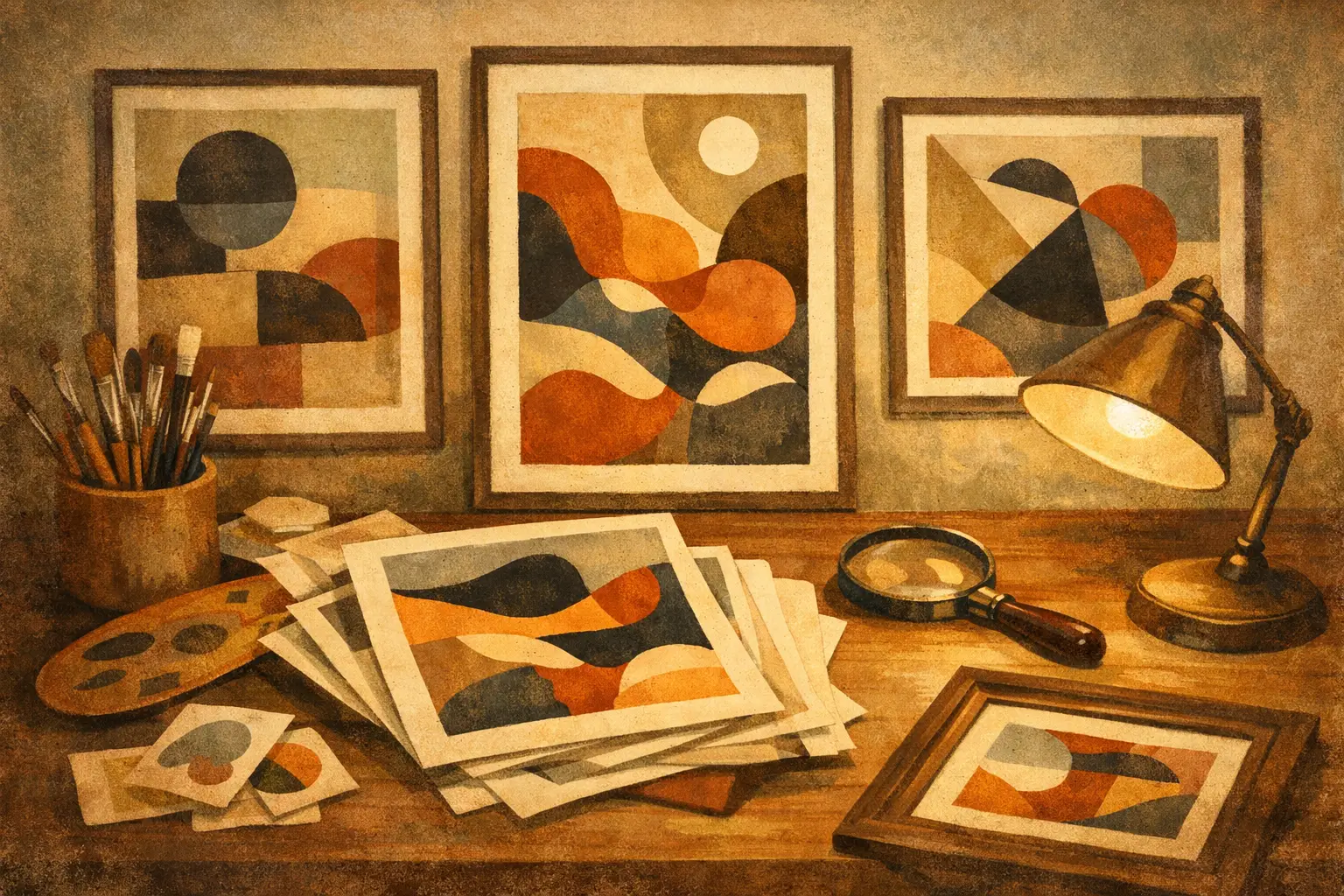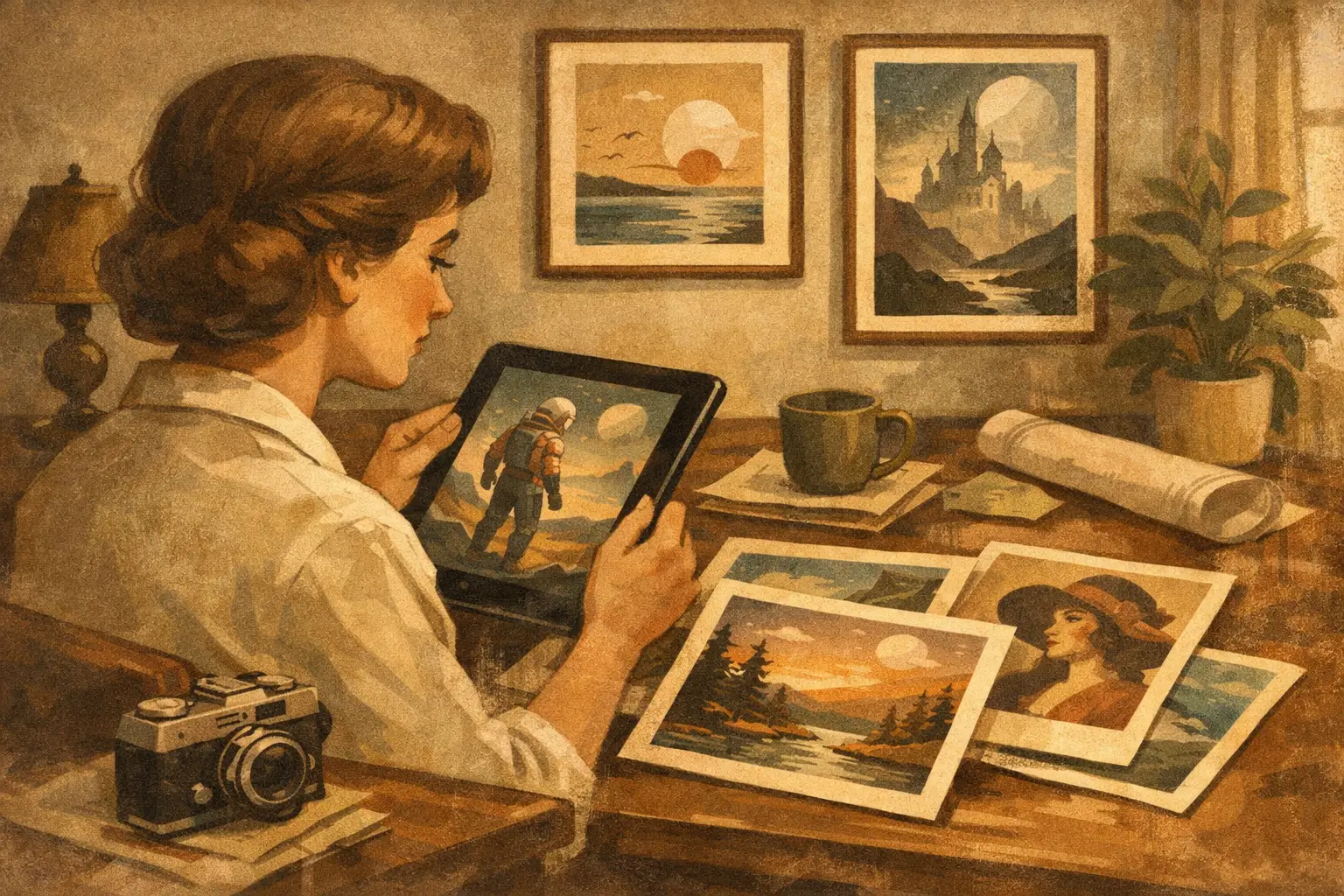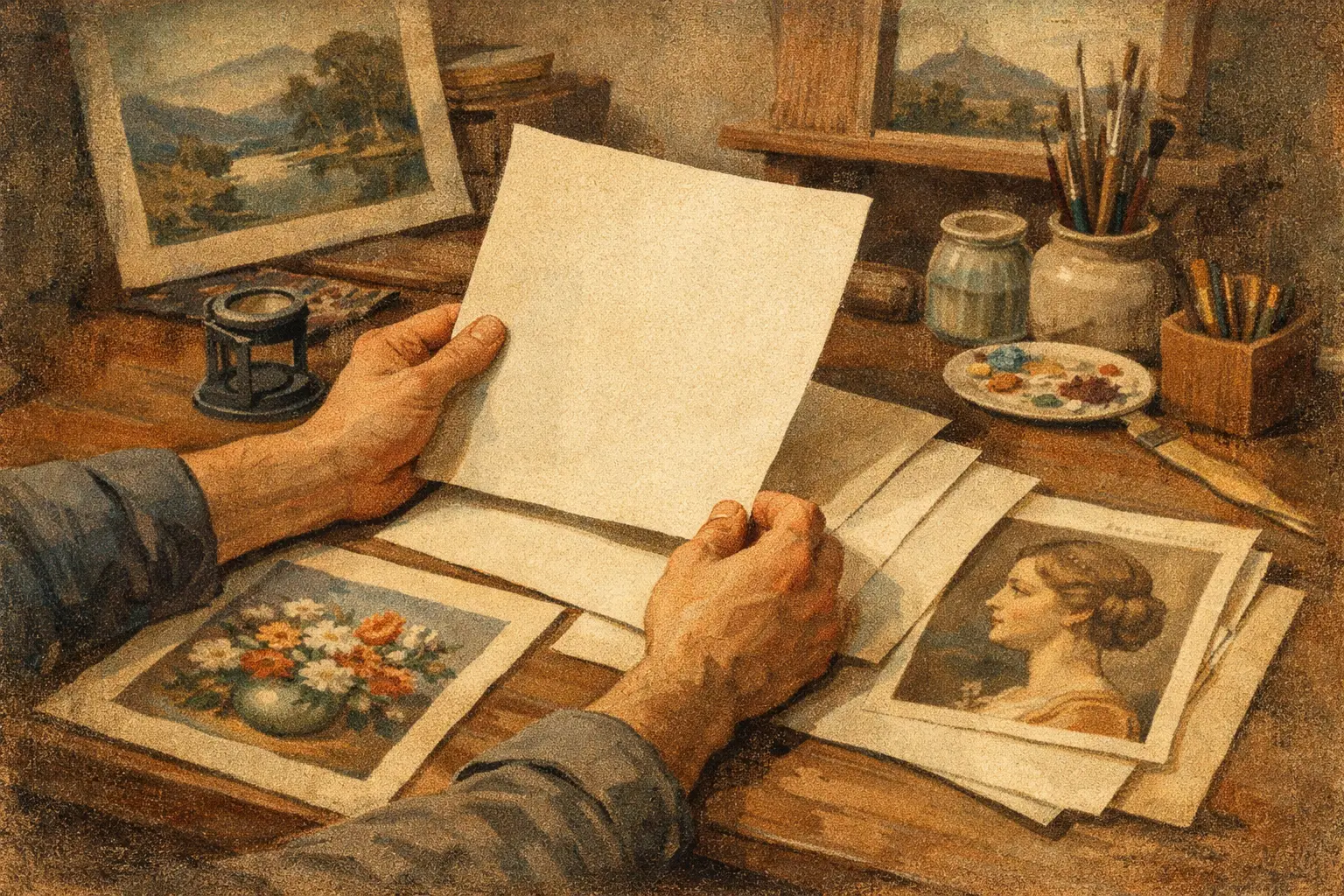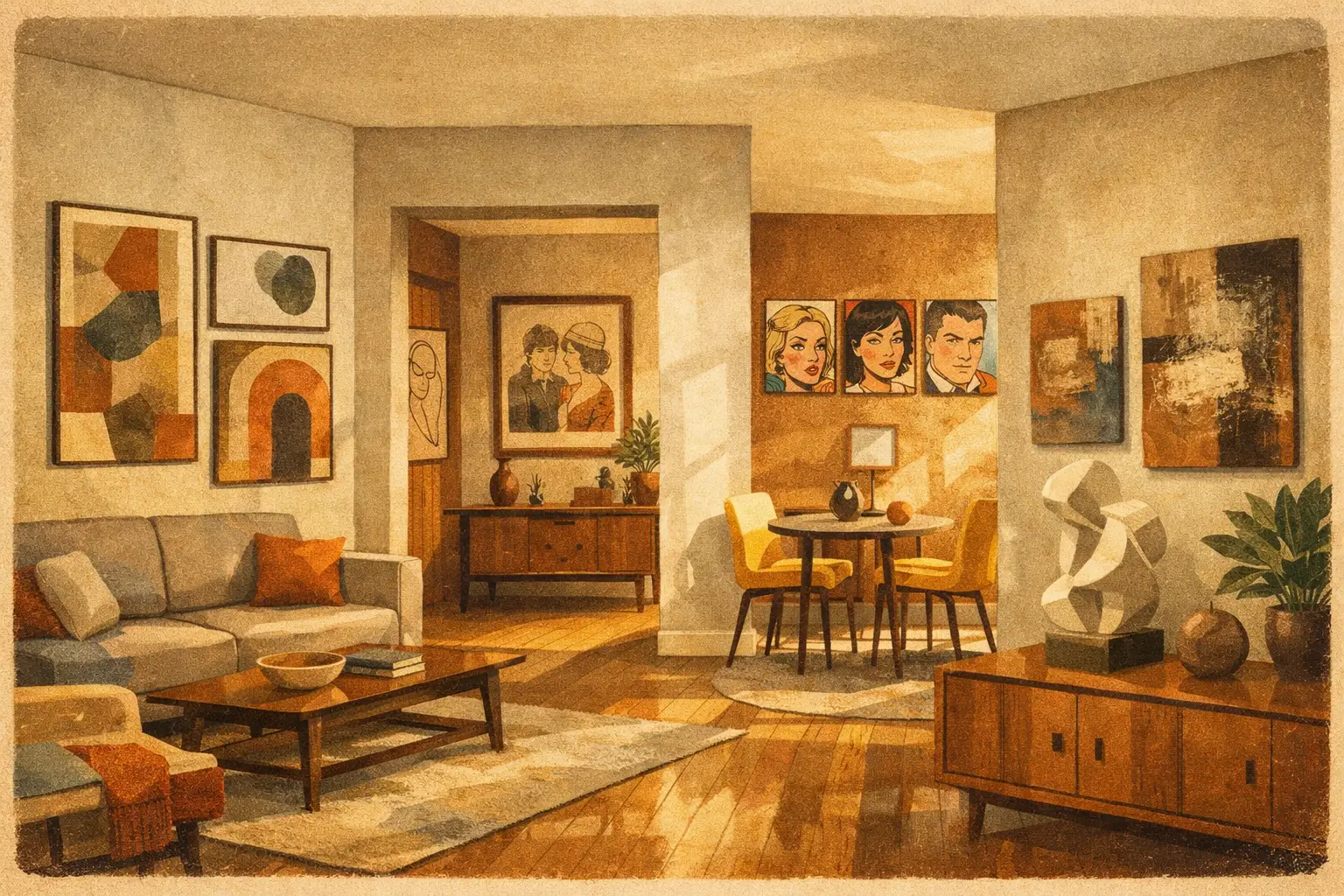
A quiet room can change completely with the right work on the wall. Yet the decision between an original painting versus art print is rarely just about budget. It is about presence, texture, rarity, scale, and the kind of relationship you want to have with art over time.
For some buyers, the answer is immediate. They want the singularity of the artist’s hand, the slight irregularity that cannot be repeated. For others, a museum-quality print offers exactly what matters most – strong visual impact, thoughtful production, and a more flexible path to living with meaningful work. Neither choice is lesser by default. They simply answer different needs.
Original painting versus art print: what truly separates them
An original painting is the first and only physical expression of a work. Its surface carries evidence of decision-making: layered pigment, pressure, revision, restraint. Even in a minimal composition, there is often a pulse to the material that changes as daylight moves across it.
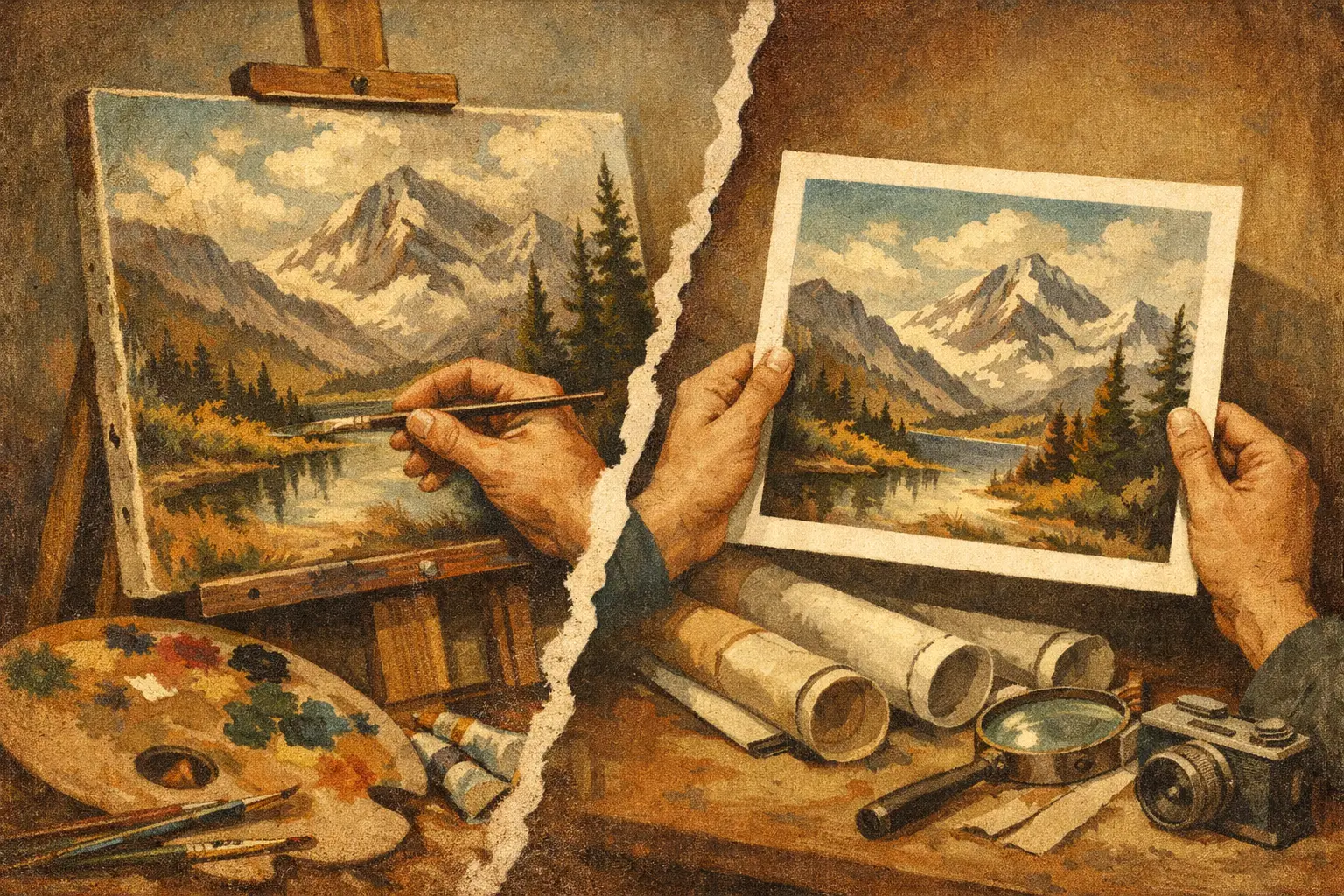
An art print, by contrast, is a reproduction of an original artwork or a digitally created work produced in a limited or open edition. When made well, especially as a museum-quality Giclée print, it can preserve subtle tonal shifts, color depth, and compositional integrity with remarkable fidelity. The experience is different, but not necessarily diminished. It depends on what you value most.
The most useful distinction is this: an original gives you singular material presence, while a print gives you access. Access to an image you love, to a larger scale, to a more approachable price point, or to a design plan that requires several works rather than one focal piece.
The emotional difference on the wall
Collectors often speak about originals in intimate terms. A painting can feel almost alive because it records a sequence of gestures that happened once. Small asymmetries, texture at the edge of a brushstroke, the density of layered paint – these are not flaws to correct. They are part of the work’s character.
That character matters especially in spaces shaped by calm and restraint. In a minimal interior, one original painting can carry an entire room because the object itself has depth. It asks to be approached. It rewards silence.
A print creates a different kind of atmosphere. It can bring clarity, rhythm, and cohesion to a space with remarkable ease. In interiors where balance matters more than singular ownership, prints are often the more intelligent choice. A framed Giclée can introduce a powerful visual language without making the room feel overly precious or constrained.
This is why designers often think less in terms of hierarchy and more in terms of purpose. What is the room asking for – one irreplaceable anchor, or a composed visual system?
When an original feels right
An original painting usually feels most right when the artwork is meant to be a centerpiece, when material texture is central to its appeal, or when the buyer wants a personal collecting experience rather than simply a decorative solution. It is also the natural choice for those who value rarity and long-term emotional attachment.
There is something quietly profound about living with the one object the artist actually made. That fact may not matter to every buyer, but for many it becomes more meaningful with time, not less.
When a print may be the better choice
A print may be the better decision when scale matters, when you are furnishing several rooms, when you want a cohesive collection, or when you are buying art at the beginning of your collecting life and want to choose thoughtfully without pressure. It also suits hospitality, trade, and residential projects where consistency, durability, and budget discipline matter.
A well-produced print can still feel elevated, intentional, and deeply considered. The difference is not whether it is “real art.” The difference is in format, scarcity, and material uniqueness.
Price, value, and what you are actually paying for
Price is often where the conversation begins, but it should not end there. An original painting costs more because you are purchasing a one-of-one object. The price reflects not only the image but the work’s singular existence, the artist’s labor, and often its place within that artist’s broader practice.
An art print is more accessible because the cost is distributed across an edition or production model. That does not make it disposable. In fact, a carefully made print on archival paper with strong color accuracy and professional framing can hold exceptional value for the buyer who wants longevity and visual refinement without the cost of an original.
The better question is not which one is more expensive, but which one gives you the value you care about. If your priority is ownership of a unique object, an original is worth the premium. If your priority is achieving a sophisticated interior with museum-quality production and compositional impact, a print may offer stronger value.
Original painting versus art print in interior design
Art is never isolated from its setting. A large original in an entryway can create an immediate sense of arrival. It can make a space feel collected rather than furnished. In a dining room, bedroom, or quiet study, an original often contributes a sense of inwardness that is difficult to imitate.
Prints, however, are often more adaptable in design-led spaces. They allow for more freedom with scale, series, symmetry, and repetition. A pair of prints can bring structure to a long hallway. A grid of framed works can give rhythm to a hospitality setting. In a modern apartment, a large print may create the same visual calm as an original while remaining practical for the budget.
This is especially true when the art itself carries strong conceptual and aesthetic clarity. In that case, the print is not filling space. It is shaping atmosphere.
Size changes the decision
Scale often decides the matter more than buyers expect. Large original paintings can be extraordinary, but they can also represent a major investment. If you have a broad wall that needs a commanding visual field, a print may allow you to choose the size the room truly needs instead of compromising on dimension.
That said, some smaller originals have a concentrated intensity that outweighs their scale. They do not dominate a room, but they alter its mood. This is where personal response matters more than measurement.
Quality matters more than category
A poor original is not automatically better than an excellent print. This is worth saying plainly. Many first-time buyers assume originality alone guarantees quality. It does not. A work must still have aesthetic force, integrity, and resonance.
The same is true of prints. A low-grade reproduction on thin paper with weak color can feel generic very quickly. But a museum-quality Giclée print, produced with archival inks and thoughtful framing, carries a different level of seriousness. It respects the artwork and the buyer.
For discerning interiors, quality of production is not a detail. It is the difference between art that deepens a room and decor that merely fills it.
How to choose without overthinking
If you keep circling the question, start with the role the piece will play in your life. Do you want to collect, or do you want to compose a space? Do you want the tactile singularity of paint, or the visual language of an image you return to every day? Are you buying one work for one room, or building an atmosphere across an entire home or project?
It also helps to notice your own response. When you look at the piece, are you drawn to the surface itself, or to the image and feeling it creates? If the power lives in texture, edges, and material depth, an original may be the right choice. If the power lives in composition, mood, and color relationship, a print may satisfy you fully.
At Taygeta Gallery, this is often where the most meaningful decisions happen – not in a hierarchy of better or worse, but in the quiet recognition of what a space, and a person, genuinely needs.
There is no virtue in buying an original if it leaves you unable to finish the room well. There is also no reason to choose a print if what you truly want is the singular presence of a one-of-one work. Good collecting begins with honesty, and the best interiors do too.
Sometimes the right choice is the rare object. Sometimes it is the beautifully made edition that lets art enter daily life with ease. The piece that belongs with you is the one that keeps the room honest and makes you want to linger a little longer.